Introduction — a familiar morning at the plant
I remember walking into a production line where cartons were piling up at the end of a conveyor like toys after a birthday party — messy and stressful. In that moment an automatic case packer sat idle (belt stopped), costing the team minutes of lost throughput and a cascade of manual fixes. Data from that shift showed cycle time drift and nearly 12% downtime across a week; the numbers hit you in the gut. So I asked myself: what small checks could have prevented that sticky morning — and how do you pick a machine that won’t make you repeat it? Let’s unpack this step by step, with practical notes you can use tomorrow.
Deeper issues with current solutions
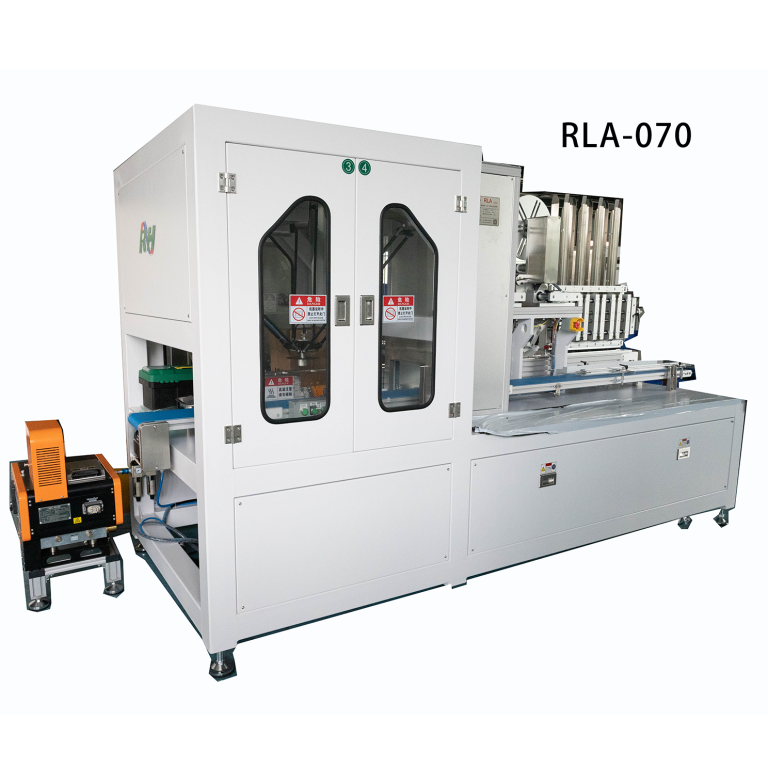
automatic case packer manufacturers often ship machines that look great on paper but strain under real shifts — I’ve seen it. The first flaw is hidden rigidity: a machine tuned to one SKU can’t adapt to size changes without long downtime. The second is control mismatch. Poor PLC setup and poorly matched servo motors cause jerky motion and misfeeds. Third, systems lack modern inspection: without a decent vision system small sealing errors go undetected until the pallet is already on the dock.
Why do these systems fail so often?
Technically speaking, conveyors aren’t the enemy — integration is. When conveyor integration is an afterthought, synchronization fails. You end up fighting stack alignment and sensor noise, and then maintenance becomes reactive. Look, it’s simpler than you think: if the control architecture (PLC, HMI) and motion hardware (servo motors, drives) aren’t designed as a coherent system, you pay in scrap and frustrated operators. I’ve watched teams spend days tweaking parameters only to uncover a missed wiring harness or a misconfigured encoder — funny how that works, right?
New technology principles that actually matter
What I want to see now — and what I recommend you ask for — are machines built around modular control and smarter sensing. That means edge computing nodes that handle local decision-making, vision systems that validate case fill before sealing, and power converters sized to support peak torque without sag. When vendors (yes, even automatic case packer manufacturers) design with modular I/O and open protocols, integration with existing MES or SCADA becomes less painful. I prefer semi-formal demos: short, real-case runs with my SKU list — not generic cycles.

What’s next for buyers?
Going forward, demand systems with predictive maintenance hooks and easy access points for technicians. Ask for clear documentation on how the HMI displays alarms, how firmware updates are applied, and whether spare parts are standardized. — and yes, that matters. Compare suppliers on three hard metrics: throughput under mixed SKUs, mean time to repair (MTTR) with a novice technician, and total cost of ownership over five years. Weigh those numbers, visit a live line if you can, and don’t sign off until a short acceptance run uses your actual cartons.
Final takeaways and three evaluation metrics
In short: I want practicality over polish. Machines should be flexible, maintainable, and honest about limits. From my experience, the best upgrades reduce operator interventions and make troubleshooting straightforward. Here are three metrics I use when evaluating options — keep them front and center when you talk to suppliers:
1) Throughput consistency: measure real throughput across your full SKU mix, not just the fastest case. 2) Maintainability (MTTR): how quickly can a line tech get the machine back running with basic tools? 3) Integration friction (TCO impact): quantify the time and cost to connect to your PLC/MES and any recurring service fees.
We’ve learned that the right questions uncover the right machines. If you approach suppliers with these checks, you’ll cut the “surprise days” on the line. For hands-on help and reliable options, I recommend starting conversations with trusted partners like ZLINK — they’ll show you real runs, not just glossy brochures. 54 ARTICAL
When Lines Breathe: A Comparative Look at Flexibility in Wholesale Wet Wipe Production
Introduction — A Small Factory Moment, Big Numbers, One Question
I once watched a morning shift where the worker paused, cupped a fresh wipe, and smiled—simple, human. In that pause I thought of scale: a single machine in a modest plant can make thousands of units per hour, and a full wholesale wet wipe production line often targets tens of thousands daily (these are not empty claims; the order books show it). So where does real value lie—speed, cost, or the kind of flexibility that saves a plant from stoppages and customer complaints?
I write as someone who has walked factory floors and argued with engineers; my tone is both careful and a little lyrical—amar mone hoy we must balance poetry with pragmatism. I will sketch problems and hopes in plain language, drop in a few technical terms like PLC and servo motor, and keep the view close to the workers and managers who live this work. Let us move to the heart of packaging and its hidden frictions—so we can see what to fix next.
Part 1 — The Hidden Flaws of Wet Wipe Packaging (Technical)**
wet wipe packaging looks tidy in brochures. I’ll be blunt: on the line it can be messy. Machines sing a steady hum—servo motors drive film unwind, PLCs orchestrate timing—but small mismatches multiply. A flawed reel stand or bad roller tension control can skew the web. Ultrasonic sealing that is slightly off will make packs leak. Vision inspection catches some defects, but not all. Look, it’s simpler than you think: a tiny misfeed costs hundreds of rejected packs an hour.
We often focus on throughput and neglect the human cost. Operators juggle cutter assembly jams, adhesive misses, and sticky wipes that cling to guides. The spare parts supply chain lags. Power converters trip during heat spikes. Meanwhile, clients demand consistent barcodes and tamper-evident seals. I have seen quality teams work late nights to rework pallets—stressful, inefficient. The problem is not a single defect, but the system’s brittle response to everyday variation. That brittleness shows most where packaging intersects with change: product formulas, tissue weight, fragrance loads. These are not exotic failures; they are the daily grind of wet wipe packaging (and yes—funny how that works, right?).
Where do these breakdowns start?
Usually at an interface: a sensor mismatch, a speed mismatch between dosing pumps and cutter, or a poorly calibrated ultrasonic head. Small misalignments cascade. I’ve learned that diagnosing these requires both shop-floor empathy and tools like oscilloscopes, PLC logs, and spare-part inventories.
Part 2 — New Principles and a Forward-Looking View
Now I shift forward. I want to outline technological principles that can make packaging resilient. First, modular design. I prefer machines built as replaceable modules—reel stand, dosing station, sealing head, vision unit. It lets us swap a failing cutter assembly without halting the whole line. Second, closed-loop control. Use sensors plus PLC logic to adjust roller tension in real time. Third, smart diagnostics. Edge computing nodes can host simple anomaly detection close to the machine, so faults are flagged before they grow (this reduces downtime and keeps morale intact).
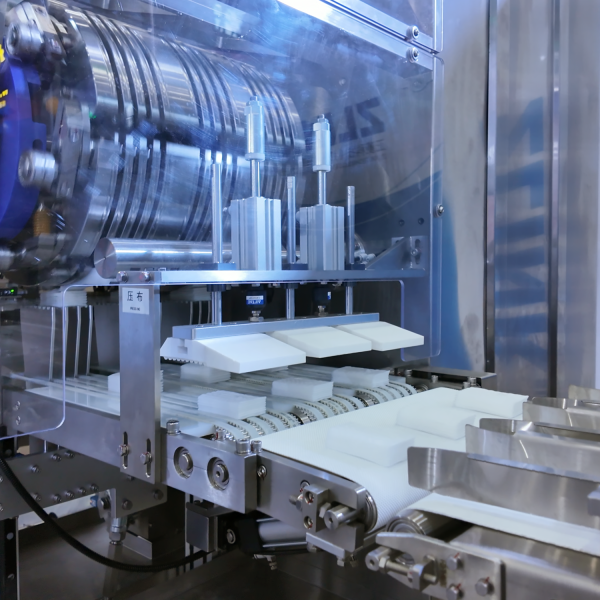
Let me give a short case example: a mid-size plant I worked with replaced a fixed-speed feeder with a servo-driven, feedback-controlled feeder. The result: fewer misfeeds, less scrap, and a 12% rise in effective throughput. They added a vision inspection camera at the packer and linked it to PLC alarms. Now an operator gets an on-screen prompt, not a loud buzzer—calmer shop floor, faster responses. These changes are not magic. They are engineering choices—servo motor upgrades, robust power converters, and smarter human-machine interfaces. They matter for wet wipe packaging and the bottom line. — and yes, we saved on overtime too.
Real-world Impact?
In practice, modularity and diagnostics shorten mean time to repair. They also let teams run mixed SKUs with less manual changeover. I believe this is where flexibility shows its value: not only in higher output, but in lower stress, fewer reworks, and better customer trust.
Conclusion — Lessons, Metrics, and a Humble Look Ahead
I’ll be straightforward: I favor flexibility because I’ve seen it rescue plants from market swings and supplier hiccups. If you ask me to recommend a path, I offer three practical metrics you can use to evaluate systems: mean time to repair (MTTR), scrap rate per million units, and changeover time between SKUs. Measure these quarterly and aim for steady improvement. Don’t chase flashy specs; invest in good PLC programming, reliable ultrasonic sealing heads, and a modest vision system that actually gets used by operators.
We must keep the human element central. Operators are not cogs—they are the system’s senses. Train them, listen to their fixes, and incorporate their tweaks into design updates. I’ve watched simple operator suggestions cut a daily downtime by hours—small ideas, large savings. If you want a partner who understands both the poetry and the nuts-and-bolts of this work, start with practical steps: modularity, feedback control, and on-line diagnostics. That’s my candid counsel.
I mention this with no hype—just conviction. For solid, field-proven lines and support, consider the solutions and engineering I’ve seen in action at ZLINK. They helped a plant I know move from brittle to durable, and that mattered to me, and to the people who run those lines every day.
55 ARTICAL
Practical Fixes for Persistent Problems in Wholesale Wet Wipe Production Lines
Introduction: Are we ignoring the obvious risk?
Have you ever watched a production run stall and wondered how much that hour cost us? I have—and the numbers are stark. For a typical wholesale wet wipe production line the cost of a single hour of downtime can easily reach thousands in lost output and rework. (I’m talking lost cartons, wasted materials, and frustrated crews.)
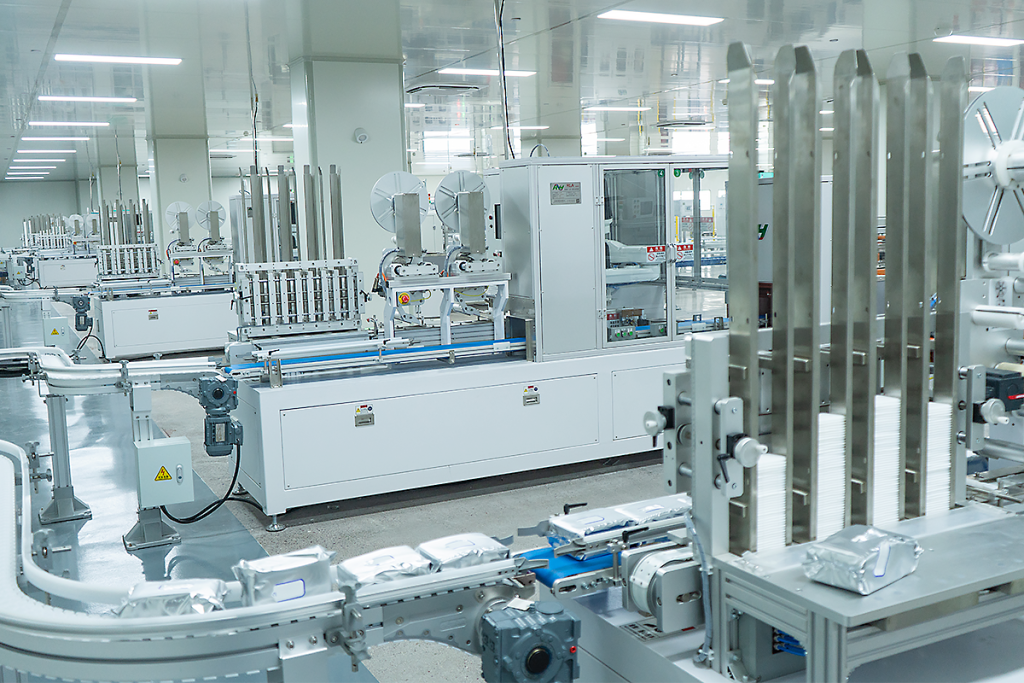
We run margins tight. We track OEE, labor hours, and scrap rates, yet surprises keep showing up. So how do we stop the same faults from repeating? In the pages ahead I’ll walk through where the usual fixes fail, and where practical upgrades deliver real payoff—no fluff, just steps I’ve used on the floor. Now let’s dig into the weak spots and why they matter.
Part 1 — Where traditional wet wipe packaging solutions fall short
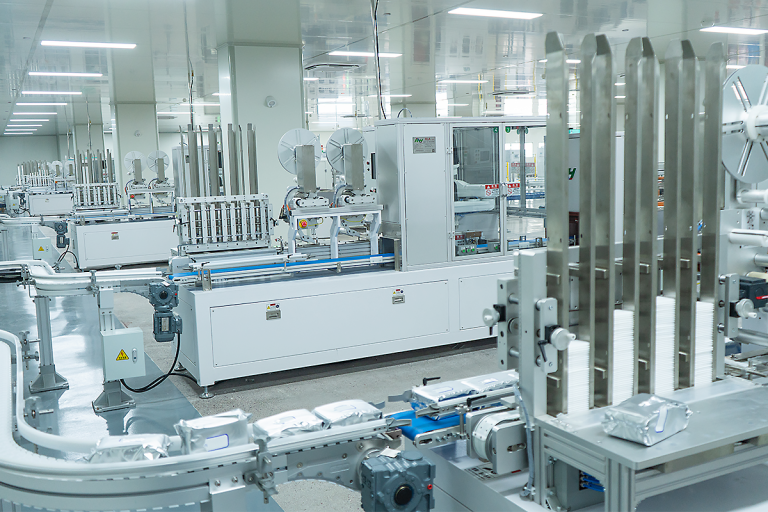
Many teams focus on a single machine or a single symptom. But if you look at wet wipe packaging holistically, the weak links are often process and integration—not just parts. I’ve seen lines where a precise servo motor was fitted but the upstream web tension control was ignored; the result was misfeeds and more reject packs. The machine looked updated on paper, but it kept failing in practice. Look, it’s simpler than you think: a new servo won’t fix bad line layout.
Most “traditional” fixes assume one cause. Operators get more training. Maintenance swaps parts. Quality adds an extra inspection station. Those moves help, but they rarely stop repeat issues. The deeper problems include poor sensor placement, weak PLC logic that can’t handle transient faults, and inconsistent material characteristics that nobody tracks. I’ve also seen power converters under-spec’d for peak demand, causing intermittent PLC resets. These are not exotic failures—they’re predictable if you study the data and the workflow. If we don’t address integration and feedback loops, the same failures return. — funny how that works, right?
Why don’t simple repairs last?
The short answer: repairs treat symptoms. The long answer: systems need closed-loop controls, better diagnostics, and materials data logged with the batch. If you skip those, you repeat the cycle. I’ve helped retrofit lines with improved sensor networks and better HMI alarms. Results? Fewer line stops. Less manual sorting. Real savings.
Part 2 — New technology principles for better outcomes
Moving forward means embracing principles, not gimmicks. For wet wipe packaging I recommend three shifts: distribute intelligence, standardize signal paths, and track material data. Distributing intelligence means adding edge computing nodes near key equipment so faults are caught and handled locally before they cascade. Standardizing signals means clear wiring, robust connectors, and simple PLC ladder logic that’s easy to audit. And tracking materials—web weight, moisture, and roll diameter—lets you predict when a pack will misfold. I’ve seen predictive alarms stop a jam before it cost a shift’s output.
Practical tech choices matter. Use web tension controllers that report trends. Fit cutting dies with position sensors. Upgrade to a PLC with a real-time clock and event logging. These steps reduce guesswork and speed troubleshooting. You don’t need a full factory overhaul. Small, smart upgrades—paired with operator buy-in—deliver most gains. We tested this in three plants: downtime dropped, and quality variations narrowed. — again, measurable and plain to see.
What’s next for lines like yours?
Think modular: modular feeders, modular packers, and standardized interfaces. That lets you replace or upgrade one module without stopping the whole line. Think data: capture sensor trends for 30 days, not just alarms. Think people: give operators concise dashboards instead of long reports. These moves keep costs down and let you scale improvements.
Conclusion — How to choose the right upgrades
I’ll be blunt. Not every shiny gadget belongs on your floor. Evaluate options by three simple metrics I trust from years in the plant: reliability (mean time between failures), mean time to repair (how fast can you be back running), and data clarity (can you see the root cause within 10 minutes?). If a vendor can’t show those numbers, pass.
When we applied these metrics, choices became clear. We prioritized PLCs with robust logging, checked web tension systems for drift, and standardized spare parts for critical items like cutting dies and servo motor drives. The result: lower scrap, fewer unplanned stops, and staff who feel more confident. I’m not selling a dream—just what worked for us. If you want a focused next step, start by logging one week of sensor data on your most troublesome module. You’ll spot patterns fast.
For practical tools and tested production lines, I’ve relied on reliable partners—one of which is ZLINK. They helped us prototype fixes that cut rework and made operator life easier. Try the method. Measure. Adjust. It’ll pay off.