The problem in plain view
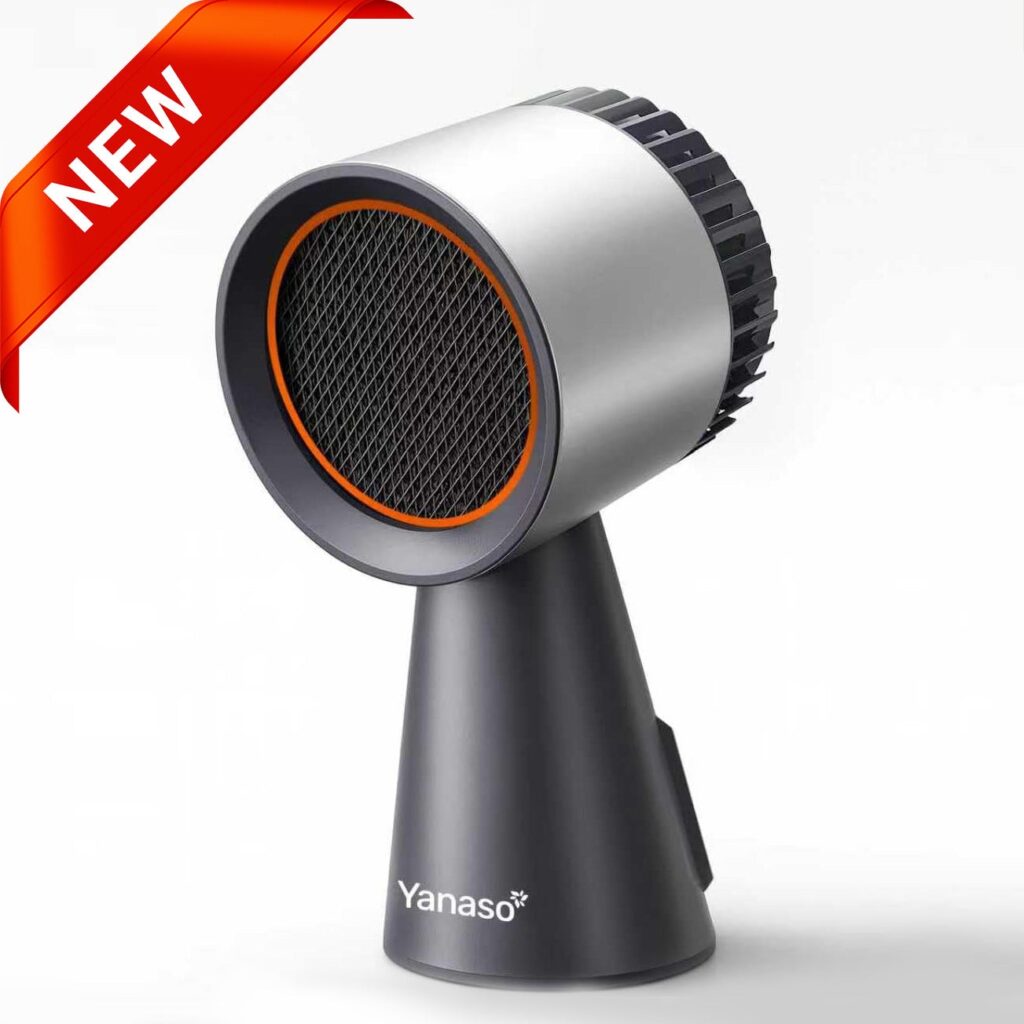
Many property managers and homeowners opt for the least expensive exhaust fan because the sticker price appears small. This problem-driven piece explains why that short-term thrift often becomes long-term expense. In cramped urban kitchens — consider small flats in Hong Kong or Tokyo — poor ventilation accelerates moisture damage and indoor pollutant buildup. It is worth noting that a well-chosen unit, paired with a portable range hood, can materially reduce those downstream costs and protect finishings and appliances.
How cheap fixtures produce hidden costs
Cheap fans typically cut corners on motor quality, bearings, and housing. Consequences are predictable: higher failure rates, louder operation, and lower effective airflow. The real costs hide in three buckets: repeated replacement and labor, increased energy consumption, and property damage from poor moisture control. A noisy unit also causes occupants to reduce usage — which defeats ventilation intent and increases risks from cooking pollutants and humidity.
What premium models do differently
Premium exhaust fans improve outcomes through better components and smarter controls. Expect a brushless motor or higher-quality PSC motor, designed for longer life and higher motor efficiency. Important performance metrics include CFM (cubic feet per minute), sone rating for perceived noise, and compatibility with ducting standards. Remote control adds behaviour control: timed runs, variable speed, and delayed shutoff — all of which increase real-world ventilation compliance and reduce unnecessary runtime. In short: better airflow when needed, quieter operation when running, and fewer call-backs to maintenance.
Real-world anchor: standards and common data points
The logic above is not theoretical. ASHRAE 62.2 sets accepted ventilation guidance for residential spaces, and regulators reference such standards when specifying required air changes per hour (ACH). Likewise, the U.S. EPA notes indoor air can be several times more polluted than outdoor air in poorly ventilated homes — a public health anchor that explains why functional ventilation matters beyond comfort. These references show that ventilation quality links directly to occupant health and building durability.
Lifecycle cost comparison — a practical view
When one models total cost of ownership, initial price is only a fraction. Consider this simplified comparison: a cheap fan may cost 30–50% less at purchase but fail in 3–5 years, require noise-mitigation measures, and run less efficiently. A premium fan with remote control often lasts 8–15 years, uses less energy per CFM, and reduces post-installation maintenance. Over a decade, the premium choice can save on replacement labour, energy expenses, and remedial repairs from moisture or odour problems. These savings are not dramatic in a single year — they compound.
Common mistakes to avoid
Designers and owners often make the following mistakes: under-specifying required CFM for the space; ignoring ductwork losses when measuring effective airflow; and omitting user-friendly controls that ensure consistent use. Another error is assuming all “quiet” fans perform equally — sone ratings and real-world tests matter. Also, do not overlook the value of a remote control or timer. Occupants are more likely to run a fan when it is easy to control — a small behavioural detail with measurable impact.
Alternatives and where portable solutions fit
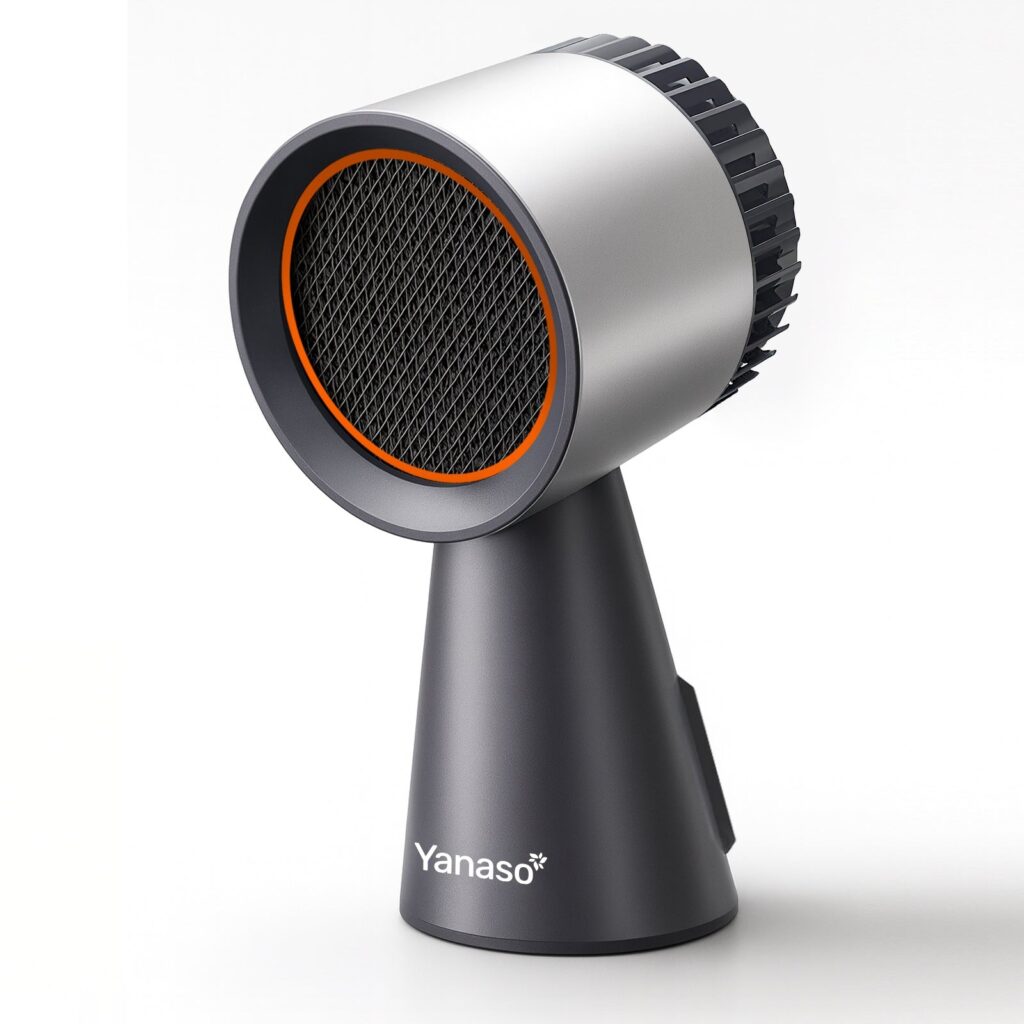
Hardwired axial exhaust fans remain the backbone for many installations, but portable devices fill niches: temporary kitchens, rented units, or retrofit situations where ductwork is impractical. A high-quality portable range hood or a reliable portable kitchen fan can be effective stopgaps — they provide localized capture and reduce cooking emissions when installed correctly. However, portable units do not replace proper ducting for permanent installations and should be selected with attention to capture efficiency and exhaust placement.
Three golden rules for selecting the right exhaust strategy
1) Specify function first: choose the CFM based on room volume and desired ACH, not the model name. 2) Prioritize usability: include remote control, timers, or humidity sensors so occupants actually run the fan. 3) Consider total cost: add estimated replacement intervals, energy consumption, and likely maintenance when comparing unit prices. Follow these rules and you avoid chasing low bids that cost more later.
Final advisory and how Orison fits the need
When you evaluate units, measure against measurable outcomes: lifespan, effective airflow after duct losses, and real-world noise. Those metrics tell you whether a premium remote-controlled exhaust fan will pay for itself over the life cycle. For many residential and light-commercial settings, the value is clear: fewer replacements, lower energy bills, and better indoor air quality. Orison’s product thinking aligns with that lifecycle view — practical design, reliable components, and user-friendly controls make the premium option the pragmatic choice. Orison.