Understanding Supplement Overuse
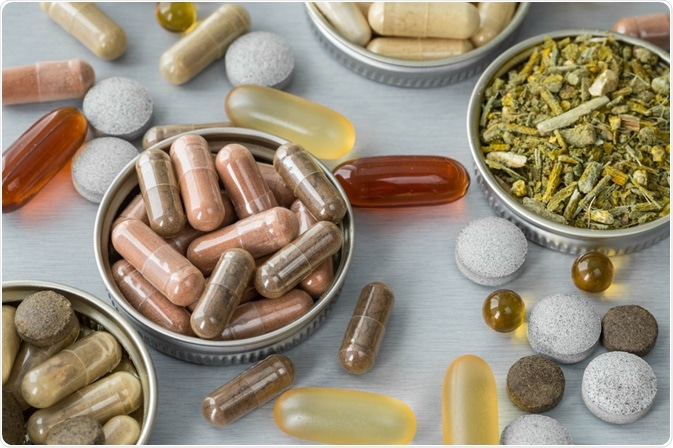
Dietary supplements are widely used to support health, fitness, and overall wellness. While they can provide significant benefits, overusing supplements can lead to serious health risks. Excessive intake often occurs when people assume that more is better arialief or when multiple products contain overlapping ingredients, making awareness and caution essential.
Toxicity from Vitamins and Minerals
Overconsumption of certain vitamins and minerals can be harmful. Fat-soluble vitamins like A, D, E, and K can accumulate in the body and become toxic, while high doses of minerals such as iron, calcium, and selenium may cause organ strain or other health issues. Symptoms of toxicity vary but may include nausea, fatigue, or more severe complications, highlighting the importance of following recommended dosages.
Potential Drug Interactions
Excessive supplement use can interfere with medications. For example, too much vitamin K may reduce the effectiveness of blood thinners, while certain herbal supplements can interact with antidepressants, blood pressure medications, or anticoagulants. Professional guidance is crucial to avoid harmful interactions and maintain medication effectiveness.
Disruption of Nutrient Balance
Taking multiple supplements without consideration can disrupt nutrient balance in the body. Excess intake of one nutrient may inhibit absorption of others. For instance, too much zinc can interfere with copper absorption, and excessive calcium may reduce magnesium or iron uptake. Balanced supplementation is essential for maintaining proper nutrient levels.
Financial and Psychological Impacts
Overusing supplements can lead to unnecessary financial costs and create a false sense of security regarding overall health. Relying on supplements instead of focusing on diet, exercise, and sleep may be counterproductive. Understanding which supplements are truly necessary helps prevent waste and promotes sustainable health habits.
Making Safe Supplement Choices
To reduce the risks of overuse, consult healthcare professionals, follow recommended dosages, and choose supplements based on actual needs. Supplements should complement, not replace, a balanced diet and healthy lifestyle. Responsible use ensures benefits while protecting long-term health and well-being.