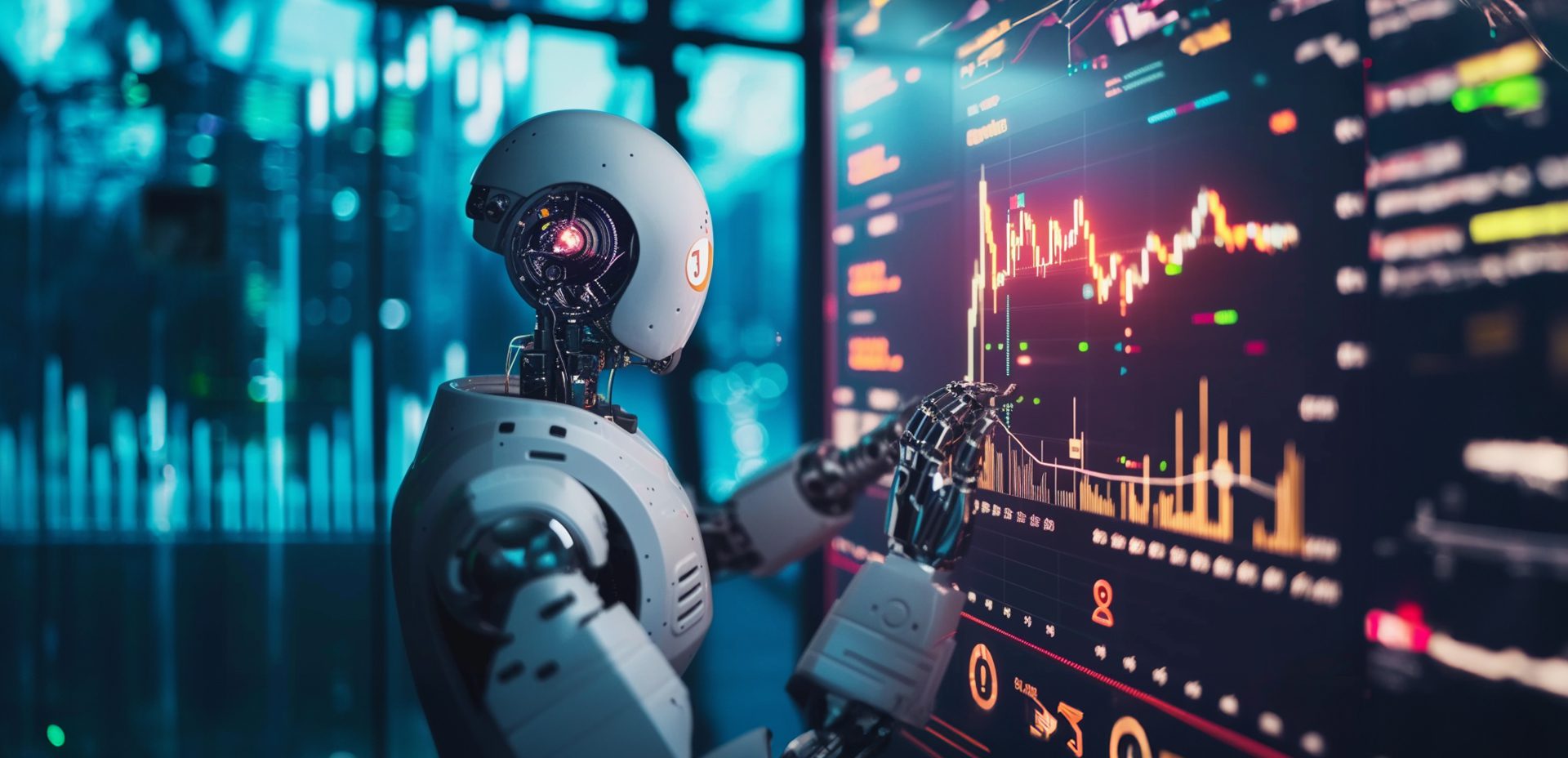
The world of finance is undergoing a seismic shift as artificial intelligence (AI) transforms traditional trading practices. AI trading, which involves using algorithms and machine learning models to analyze data and execute trades, is not just a trend—it’s the future ai trading . This article explores the fundamentals of AI trading, its benefits, challenges, and its role in shaping the modern financial landscape.
Understanding AI Trading
At its core, AI trading leverages technology to make informed trading decisions based on data analysis and predictive modeling. Unlike conventional trading, which often relies on human intuition and manual analysis, AI trading operates with speed, precision, and adaptability. It uses vast datasets—historical market data, real-time news, and even social media sentiment—to forecast trends and identify profitable opportunities.
Key components of AI trading include:
- **Machine Learning Models: ** These algorithms identify patterns in historical data and predict future market movements.
- **Natural Language Processing (NLP): ** Analyzes text-based data such as news articles and tweets to gauge market sentiment.
- **High-Frequency Trading (HFT): ** Executes thousands of trades per second, capitalizing on small price fluctuations.
- **Portfolio Management Algorithms: ** Optimize investment strategies by balancing risk and return.
Benefits of AI Trading
AI trading is revolutionizing the financial sector by offering advantages that traditional methods cannot match.
1. Speed and Efficiency
AI systems can process and analyze enormous datasets in milliseconds. This speed allows traders to respond instantly to market changes, giving them a competitive edge.
2. Enhanced Accuracy
By eliminating human biases and relying on data-driven insights, AI trading minimizes errors and enhances the precision of investment decisions.
3. 24/7 Market Monitoring
Unlike human traders, AI operates around the clock. It monitors global markets continuously, ensuring no opportunity is missed, even during off-hours.
4. Emotion-Free Decision Making
Trading decisions driven by fear or greed often lead to losses. AI, devoid of emotions, adheres strictly to predefined strategies, ensuring consistency.
5. Scalability
AI trading systems can manage multiple portfolios and asset classes simultaneously, making them ideal for institutional investors and hedge funds.
Challenges in AI Trading
While AI trading holds immense potential, it’s not without challenges. Understanding these hurdles is crucial for leveraging AI effectively.
1. Data Dependency
The success of AI trading models hinges on high-quality data. Inaccurate or biased datasets can lead to flawed predictions and financial losses.
2. Overfitting
Overfitting occurs when AI models perform well on training data but fail to generalize to new market conditions. This can render strategies ineffective in real-world trading.
3. Transparency Issues
Many AI systems operate as “black boxes, ” making it difficult to understand how decisions are made. This lack of transparency can hinder trust and regulatory compliance.
4. Market Volatility
AI-driven high-frequency trading has been linked to flash crashes, where rapid trading exacerbates market instability.
5. Regulatory Concerns
As AI trading grows, so does the scrutiny from regulators. Ensuring compliance while maintaining innovation is a delicate balance for financial institutions.
The future of AI Trading
The potential of AI in trading is immense, and several trends are shaping its future:
1. Integration of Quantum Computing
Quantum computing promises to supercharge AI trading by enabling faster and more complex data analysis, leading to even more accurate predictions.
2. Personalized Trading Strategies
Retail investors are increasingly gaining access to AI tools that were once exclusive to institutions. These tools allow individuals to create customized trading strategies tailored to their goals and risk tolerance.
3. Focus on Sustainable Investments
AI is being used to analyze environmental, social, and governance (ESG) metrics, helping investors align their portfolios with sustainability goals.
4. Cross-Market Analysis
AI trading is expanding beyond stocks to include cryptocurrencies, commodities, and forex, offering a comprehensive approach to portfolio diversification.
5. Advanced Risk Management
Future AI systems will incorporate real-time risk analysis, providing early warnings about potential market downturns and helping investors mitigate losses.
How to start with AI Trading
For those looking to venture into AI trading, here are some steps to get started:
- **Educate Yourself: ** Learn the basics of AI, machine learning, and their applications in trading. Online courses and tutorials can be invaluable resources.
- **Choose the right Platform: ** Opt for trading platforms that offer AI-powered tools and analytics tailored to your needs.
- **Start Small: ** Begin with a small investment to test AI-driven strategies and understand their performance.
- **Monitor and Adapt: ** Regularly evaluate the outcomes of your AI trading system and make adjustments as needed.
- **Stay Updated: ** The field of AI trading evolves rapidly. Keeping up with technological advancements and market trends is essential.
Conclusion
AI trading is more than just a technological innovation—it’s a paradigm shift in how financial markets operate. With its ability to process vast amounts of data, eliminate human biases, and execute trades with unprecedented speed, AI trading offers immense benefits to both institutional and retail investors.
However, as with any technology, it comes with challenges that must be addressed to unlock its full potential. By understanding these challenges and staying informed about emerging trends, traders can position themselves at the forefront of this financial revolution.
The rise of AI trading signals a future where machines and data-driven insights will dominate the financial landscape. Embracing this transformation today could pave the way for smarter, more efficient, and more profitable trading strategies in the years to come.